
The UK government has unveiled its landmark National Cancer Plan, promising the biggest step forward in cancer care for a generation.
Announced by the Department of Health and Social Care, the plan sets an ambitious target that by 2035, 75% of people diagnosed with cancer will be either cancer-free or living well five years after diagnosis.
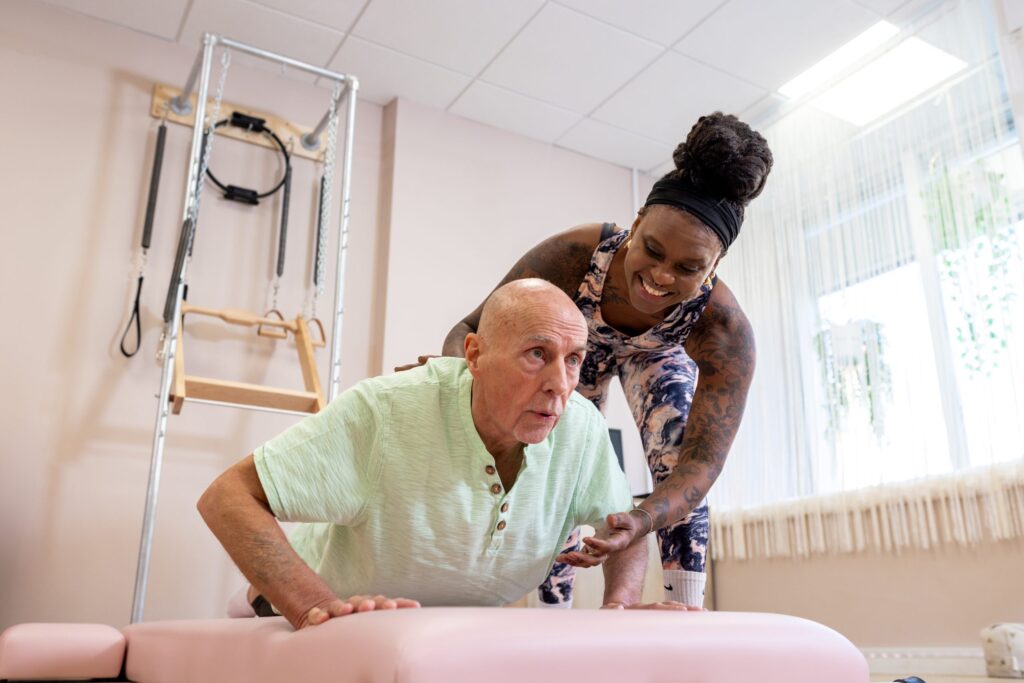
The plan sets out major improvements in diagnosis, treatment and ongoing support, yet makes limited mention of the power of physical activity, despite clear and growing evidence of its vital role in cancer recovery, treatment tolerance and long-term wellbeing. One international study published last year found that patients who started a structured exercise programme, supported by a personal trainer or coach after completing their treatment, had a 37% lower risk of death and were 28% less likely to experience a recurrence or develop a new cancer.
The plan refers briefly to one example of exercise intervention programmes as part of prehabilitation however it misses an opportunity to fully harness the potential impact of physical activity to improve the lives of patients and reduce treatment costs.
Tara Dillon, CEO of CIMSPA, said:
“The National Cancer Plan represents an important and much-needed leap forward. We fully support its ambition to help more people survive and live well beyond cancer. But it’s disappointing that physical activity, delivered by accredited, professionally recognised practitioners isn’t more directly acknowledged and championed as a crucial, integral part of that vision, despite the wealth of evidence showing its benefits.
The ambition in the plan to create a universal prehabilitation offer for all patients is a fantastic step forward because when such services are underpinned by structured, professionally and expertly designed and delivered activity programmes, we know that recovery is improved and the cost of treatment is reduced. A £400 investment in a physical activity programme has been proven to result in a £1200+ per patient saving through reduced hospital stays and better recovery.
Supported, appropriate physical activity can ease treatment side effects, speed recovery, improve quality of life and, in some cancers, reduce the risk of recurrence. Not championing the full potential of this in national cancer pathways is a missed opportunity to deliver a proven, low-cost, effective intervention that changes lives. We need to ensure every person affected by cancer has access to physical activity support delivered by specialist practitioners as part of their personalised care throughout their care and recovery plan.”
CIMSPA’s concerns reflect on a significant body of research backed by organisations like Macmillan Cancer Support, Cancer Research UK, and academic experts in cancer rehabilitation, all of whom highlight that physical activity is one of the most effective non-medical ways to improve outcomes for people living with and beyond cancer.
Tara added:
“The National Cancer Plan rightly aims to modernise cancer care with faster diagnosis, personalised treatment, and smarter use of technology. However, truly modern cancer care must also reflect the evidence around behaviour and lifestyle, not just medical innovation. If the UK is serious about achieving world-leading outcomes, physical activity, and the recognised professionals who deliver it, must be embedded throughout the plan as a fundamental part of cancer care, not an afterthought.”