
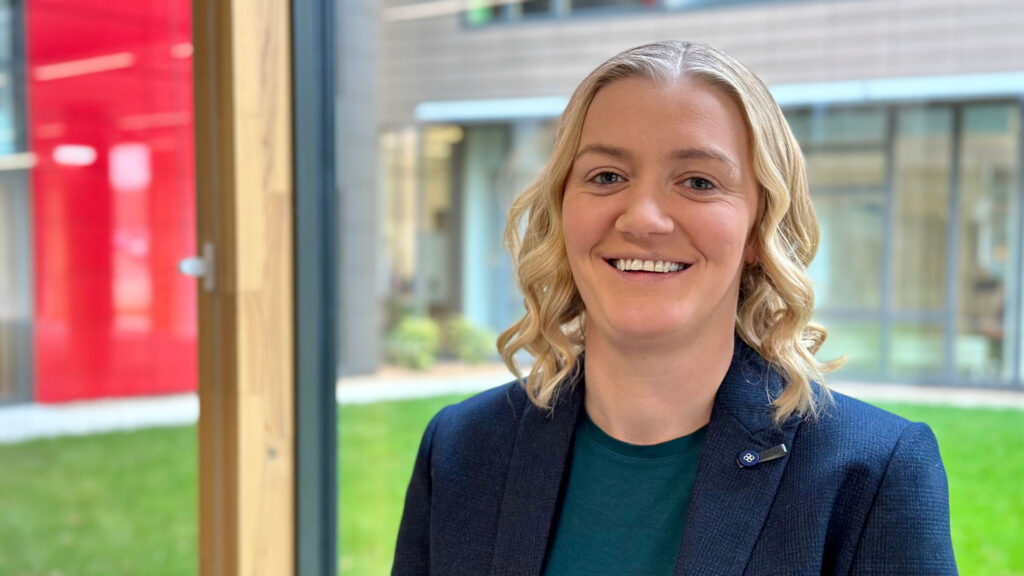
By Clare Dunn, Associate Director of Business Engagement, CIMSPA
When professional status first launched, there was a lot of interest. Employers understood the idea immediately because the sector had been asking for a way to recognise real competence, not just certificates, for years.
What’s different now is that we’re no longer talking about potential. We’re seeing what happens when employers actually embed professional status into their organisations, and the impact is real.
Across the sector, employers who have supported their teams to gain recognised professional status are finding that it makes everyday business decisions easier and strengthens their position externally. It’s helping them recruit with more confidence, retain their best people and demonstrate capability in a way that is instantly understood.
In short, it’s giving them an edge because ultimately, in this sector, your workforce is your business.
Many operators in our sector offer similar services. The difference is in the people delivering them. Their judgement, their experience, their ability to work with different populations, and the trust they inspire. Professional status gives employers a clear, credible way to recognise and demonstrate that capability.
One of the biggest shifts employers talk about is clarity in people decision and development. Recruitment, in particular, has become simpler because instead of trying to interpret dozens of different qualifications and work out what they mean in practice, professional status provides a clear benchmark. Employers know what someone with Practitioner, Advanced, Senior or Chartered status can do. This removes guesswork and replaces it with confidence in who they recruit and deploy.
That same clarity is making a difference well beyond recruitment. Employers expanding into new service areas, particularly those connected to health and wellbeing, are finding that professional status helps them demonstrate capability really quickly. Whether they are working with healthcare partners, local authorities or community organisations, being able to show that their workforce meets nationally recognised professional standards which enables them to be deployed in certain environment or to work with certain populations, carries real weight.
It signals professionalism and shows accountability, which in turn, builds trust.
That trust matters, especially as more organisations diversify their services and work with people who may have complex needs or who are engaging with physical activity for the first time. Professional recognition reassures partners in allied professions and participants alike that they are in capable hands.
The visibility of professionalism outside of the organisation is great for business but some of the most powerful impact is happening internally.
Employers who are mapping their teams against professional status and supporting progression are seeing a noticeable shift in how their people feel about their roles. Professional recognition changes perception and staff see themselves differently when their competence is acknowledged against a national standard. They feel more valued and they see a future, because they understand that their employer is invested in them as professionals, not just employees.
That sense of progression and recognition is helping employers hold on to good people. In a sector where recruitment and retention have long been challenges, that matters enormously. We all know that replacing experienced staff is expensive, disruptive and difficult, so supporting progression and recognising professionalism is proving to be a far more effective strategy for lots of businesses.
It’s also helping employers make better decisions about development. Instead of investing in training without a clear sense of how it contributes to career progression or organisational capability, employers are aligning development with professional status advancement. This is enabling them to link investment in training to strengthened capability in areas that directly support business growth through new service provision.
Professional status has also introduced something the sector hasn’t had before, a shared language about how we describe what we do.
Employers, professionals, training providers and partners are now working from the same framework and when someone holds professional status, it means something consistent. It reflects verified competence, not just attendance on a course or possession of a certificate. The introduction of digital credentials has made that even clearer, allowing employers and partners to instantly understand someone’s recognised level and areas of expertise.
For the many employers already embracing this, professional status has become part of how they operate. It’s influencing how they recruit, how they develop their people, how they position themselves externally and how they plan strategy and for their future.
Most importantly, professional status is not about compliance. It’s actually about confidence in recruitment decisions and in workforce capability when bidding for contracts or forming partnerships. Professional status is doing what the sector always needed it to do – recognising professionalism properly, and in doing so, helping employers strengthen their organisations.
The employers who moved early are already seeing the benefits of embracing professional status. They are building stronger teams, creating clearer pathways for their people and positioning themselves as credible, professional, strategic organisations in an increasingly competitive and scrutinised environment.
Others are now following, recognising that professional status isn’t just good for individual members of staff, it’s good for business too. However, perhaps most importantly, it’s helping to build a sector where professionalism is visible, recognised and valued in the way it always should have been.